

SAAQ Road Test Checklist: Everything You Need Before Exam Day
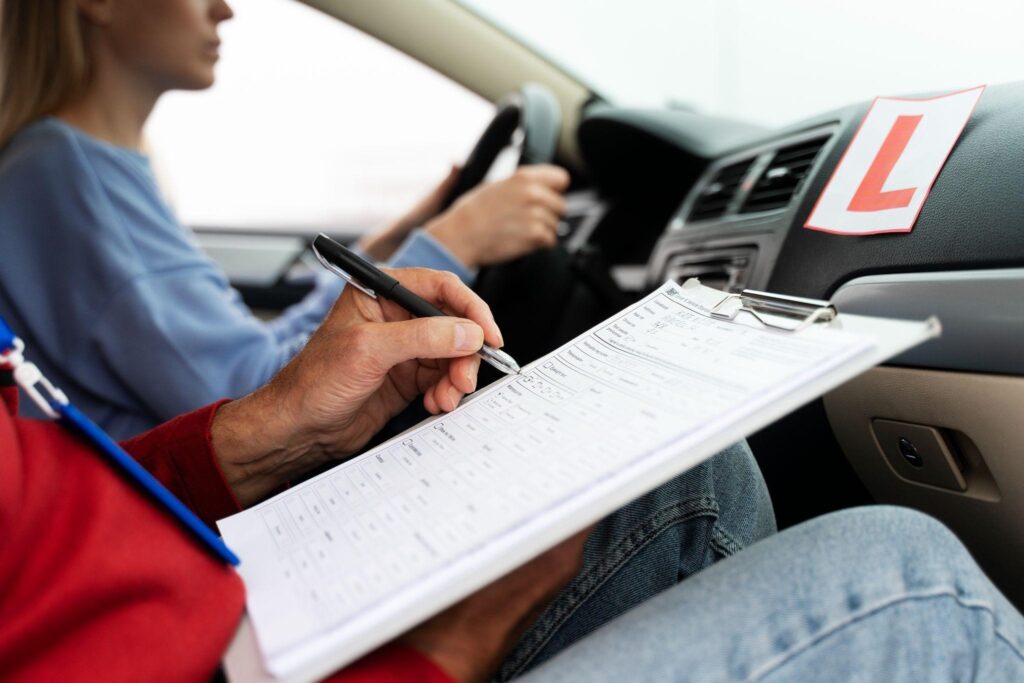
The road test is not only a drive around the block. It is a short review of how safely you think, observe, react, and control the vehicle in real Quebec traffic. The examiner wants to see that you can follow instructions, respect signs, manage space, check blind spots, and stay calm when the road is busy. Try to picture the test as a safety conversation through your driving, not a performance. Good SAAQ road test preparation starts with this mindset. You are not trying to impress anyone with speed or confidence. You are showing that you can make safe, predictable choices from the first minute to the last.
Prepare Your File Before You Leave Home
Paperwork sounds simple, but it is one of the easiest things to forget when nerves are high. The best approach is to gather everything before bedtime, then check it once again in the morning before leaving. A practical Quebec driving test checklist should stay in one folder or envelope. Do not leave it scattered between your email, wallet, car, and backpack. Before leaving, check that your licence or permit is valid, your appointment details are clear, and your payment method is ready. These small steps help you arrive with a settled mind instead of searching for basic information at the counter.
Your exam folder should include the main driving test documents requested for your appointment, along with anything related to the vehicle if you are bringing your own car.
- Valid learner’s licence or required permit
- Appointment confirmation, if available
- Accepted proof of identity
- Vehicle registration and insurance
- Payment method for applicable fees
Keep the folder easy to reach, because a calm start can shape the rest of your test.
Inspect the Car Before the Test Begins
Your vehicle must be safe, clean, insured, and ready to be used for an official exam. Before your road test Quebec appointment, check the brake lights, turn signals, horn, mirrors, windshield, wipers, tires, doors, and seat belts. The examiner may refuse a car that is not roadworthy, so never assume “it should be fine.” Sit in the car and adjust everything the same way you would during the test. Your seat, mirrors, steering position, and visibility should feel natural, not rushed.
If you plan to use a rental vehicle, confirm the pickup time, location, condition, and insurance details in advance. A familiar vehicle helps you focus on traffic, signs, and instructions instead of wondering how sensitive the brakes are.
Practise the Drive, Not Just the Maneuvers
One of the most useful SAAQ exam tips is to practise the whole drive, not only the parts that feel difficult. Many learners repeat parking until it feels perfect but forget the everyday habits that examiners notice: scanning intersections early, shoulder-checking before moving sideways, signaling before slowing, stopping fully, controlling speed in school zones, and keeping enough space from the vehicle ahead. These habits show maturity behind the wheel.
Practise in different conditions if you can. Quiet streets help with control, but busier roads teach timing, patience, and decision-making. Work on left turns, right turns on red where allowed, lane changes, four-way stops, pedestrian crossings, merging, and parking near curbs. Do not practise only on one route.
Keep Test Morning Simple and Controlled
On the morning of your Class 5 road test, avoid adding pressure. Eat something light, wear comfortable shoes, charge your phone, leave earlier than needed, and give yourself time to breathe before checking in. Do not watch too many last-minute videos or ask five people for advice. Too much information can make a good driver second-guess basic decisions.
Before starting the car, build a simple routine: adjust the seat, mirrors, and steering position; fasten your seat belt; check that the examiner is seated safely; and wait for instructions. Drive at a legal, steady pace. If you make a small mistake, do not panic. Correct it safely and continue. Examiners look at your overall judgment, not just one nervous moment.
Conclusion
Knowing the road test requirements Quebec will have you ready, confident and ready to drive safely, instead of stressing at the last minute. Before the exam day, review your documents, confirm your appointment, check the vehicle, practise real road habits such as checking mirrors, signalling, controlling your speed, changing lanes, and making full stops. A simple checklist can keep you organised and prevent unnecessary mistakes. If you need extra help, Ecole Ladm offers Class 5 training, refresher lessons, simulator practice, and test-car options in the Montreal area that meet SAAQ standards, giving students a little more control, awareness, confidence, and readiness for the road test.