

Can You Rent a Car for a Road Test?
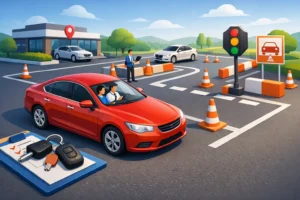
A lot of students ask this only a few days before their exam, usually after realizing they do not have access to a suitable vehicle. So, can you rent car for road test? Yes, in many cases you can, but the real answer depends on the testing center’s rules, the rental company’s policy, your license status, and whether the vehicle meets every road test requirement on the day of the exam.
That last part matters more than most people expect. A car that is perfectly fine for everyday use can still be refused for a road test because of warning lights, missing registration papers, poor tire condition, or an issue with the parking brake. If you are already nervous about the exam, the safest approach is to think about the vehicle well before test day.
Can You Rent Car for Road Test in Real Life?
In practical terms, there are three common ways people show up with a vehicle for a road test. They use their own car, borrow one from a friend or family member, or arrange a test-day car through a driving school. Standard rental cars are sometimes an option, but they are often the least straightforward.
The main reason is simple. Most rental companies expect the driver to hold a full valid license, not a learner’s permit or restricted status. If you are taking a road test to get your license, you may not meet the company’s rental rules in the first place. Even when a rental company allows it, they may have age restrictions, insurance conditions, or limits on who can drive the vehicle to the test site.
This is why many learners end up using a driving school car instead of a regular rental. A school that prepares students for the exam usually understands the local testing requirements, keeps the vehicle in test-ready condition, and knows what examiners commonly check before the drive begins.
Why a Standard Rental Car Can Be Complicated
On paper, renting a car sounds easy. In reality, there are a few points that can create problems.
First, there is the licensing issue. If you do not yet have the level of driving privilege required by the rental agency, you may not legally be able to rent the car yourself. Some people assume a parent or friend can rent it for them, but then the question becomes whether the test taker is allowed to drive it under the rental agreement. If their name is not authorized, that can create insurance and liability issues.
Second, there is the vehicle itself. Examiners do not care whether the car is rented or owned. They care whether it is safe and legal. If the turn signals, brake lights, horn, tires, mirrors, windshield, or parking brake are not acceptable, the test may be canceled on the spot. You still lose time, and in some cases you may lose your test fee.
Third, there is familiarity. Taking a road test in an unfamiliar car adds stress. The brake response may feel different. The mirrors may sit differently. The visibility may not match what you practiced in. Even small differences can affect parking, lane positioning, and confidence.
What Examiners Usually Expect From the Vehicle
Every testing authority has its own checklist, but the same basic standards come up again and again. The car must be properly registered, insured, and mechanically safe. It should have working lights, functioning signals, usable seat belts, and a windshield that does not block visibility.
The examiner may also check the horn, brakes, tires, mirrors, and defroster depending on conditions. If your area requires a parking brake for the exam, it must work correctly. If a warning light suggests a mechanical or safety problem, that can be enough to stop the test before it starts.
Cleanliness also matters more than people think. The car does not need to be perfect, but the examiner should be able to enter safely, adjust if needed, and see clearly. A cluttered dashboard, fogged windows, or heavy snow not fully cleared from the vehicle can create avoidable issues.
Can You Rent a Car for a Road Test if You Have a Permit?
This is where the answer usually becomes no for regular rental companies and yes for specialized test-day services.
A learner or permit holder is often not eligible to rent from a standard car rental agency. Even if someone else rents the vehicle, the permit holder may not be covered to drive it unless the contract specifically allows it. Some agencies simply do not want the risk of a road test situation.
Driving schools work differently. Their road test car rental service is designed for learners. In many cases, it includes a vehicle that meets testing standards and may also include a short warm-up lesson before the exam. That combination is valuable because it gives you a chance to settle your nerves, adjust to the car, and correct last-minute mistakes before the examiner gets in.
For students preparing for a Class 5 test, this is often the most practical route. It removes the uncertainty of finding a legal vehicle at the last minute and replaces it with a plan.
When a Driving School Car Makes More Sense
If you are deciding between borrowing a car, using a standard rental, or booking a school vehicle, the best option usually comes down to reliability.
A driving school car is not just transportation to the test. It is part of your preparation. The vehicle is typically chosen because it is suitable for learners, easy to handle, and maintained with the exam in mind. Just as important, instructors know the test format and the common errors students make under pressure.
That does not mean a borrowed family car is a bad choice. If you have practiced in it consistently and it is in excellent condition, that familiarity can help. But if the vehicle is large, difficult to park, has a touchy brake pedal, or has not been checked recently, the trade-off may not be worth it.
For nervous drivers, predictability matters. A calm pre-test routine, a vehicle you understand, and a final review with an instructor can make a real difference.
How to Avoid Test-Day Vehicle Problems
The worst time to think about the car is the morning of your exam. If you plan ahead, most vehicle-related problems are avoidable.
Start by confirming the testing center’s rules well in advance. Check what documents are required and whether there are any specific vehicle restrictions. Then verify who is legally allowed to drive the car to the site and during the exam.
A few days before the test, inspect the basics carefully. Make sure lights, turn signals, brake lights, horn, windshield wipers, tires, mirrors, and seat belts are all working properly. Check for dashboard warning lights. Confirm that the registration and insurance documents are current and inside the vehicle.
If you are using a borrowed or rented vehicle, practice in it before test day. Do not make your first real drive in that car the trip to the exam center. Spend enough time with it to understand the steering, braking, visibility, parking feel, and blind spots.
The Confidence Factor Most People Overlook
Students often focus on whether they are allowed to bring a rented car. A better question is whether that choice helps or hurts their chances of passing.
Road tests are not just about technical driving skill. They also measure judgment, awareness, and control under pressure. If you are distracted by an unfamiliar car, worried about paperwork, or unsure whether the examiner will accept the vehicle, part of your attention is already gone.
That is why structured test-day support can be so helpful, especially for first-time drivers, adult beginners, or newcomers adapting to local rules. An experienced school such as Montreal City Motor League can provide a road test car and practical preparation that reduces uncertainty before the exam starts. For many learners, that peace of mind is worth as much as the vehicle itself.
So, Should You Rent a Car for a Road Test?
Yes, you can in some situations, but not every rental option is realistic for a learner. A standard rental car may work if you fully meet the company’s licensing and insurance rules, and if the vehicle meets the testing authority’s standards. For many test takers, though, a driving school car is the more dependable choice because it is built around the exam process.
If you are close to your test date, do not leave this decision to chance. The right vehicle should help you feel settled, legal, and ready to focus on your driving. When test day arrives, that kind of preparation can make the whole experience feel a lot more manageable.