

Winter Driving Lessons Montreal Drivers Need
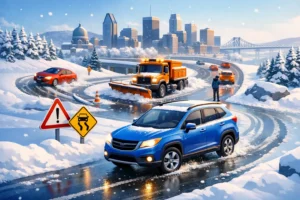
The first real snowfall in Montreal changes everything. A route that felt easy in October can suddenly demand longer braking distances, smoother steering, and much better judgment at every intersection. That is exactly why winter driving lessons Montreal learners take can make such a clear difference – not just for passing a road test, but for feeling steady and safe when conditions are unpredictable.
Winter driving is not simply regular driving with snow on the ground. Tires grip differently. Visibility changes faster. Other drivers make more mistakes. For beginners, nervous drivers, and newcomers adjusting to Quebec roads, the gap between classroom knowledge and real winter conditions can feel wide. The right training closes that gap by turning abstract advice into repeatable habits.
Why winter driving lessons in Montreal matter
Montreal winters test timing, attention, and self-control. You may know that ice is slippery, but knowing it and reacting well to it are two different things. A driver who brakes a second too late, accelerates too hard out of a turn, or follows too closely in slush can lose control even at modest speeds.
Lessons help because they put you in realistic situations with an instructor beside you. That matters most when your confidence is low or your experience is limited. Instead of guessing how much distance you need to stop, or how gently to turn on a snow-covered street, you learn by doing it correctly and receiving immediate feedback.
This is especially useful for students preparing for the Quebec licensing process. Road tests do not reward panic, overcorrection, or hesitant decisions. In winter, examiners still expect safe observation, lane discipline, proper speed choice, and calm control of the vehicle. Training in seasonal conditions helps you build those skills where they actually count.
What winter driving lessons Montreal students should practice
A good winter lesson should go beyond general reminders and focus on real control. The first area is braking. Many learners press too hard when the car begins to slide, or they brake late because they underestimate stopping distance. Winter instruction teaches you to read the road early, slow down sooner, and use smooth pressure rather than sudden reactions.
Steering is another major piece. On dry pavement, abrupt steering may only feel rough. On snow or ice, it can upset the car. Students need practice making gradual inputs, recovering from minor skids without freezing, and keeping their eyes where they want the car to go. This sounds simple until a rear wheel slips on a turn and your body tells you to do the wrong thing.
Visibility also becomes a skill issue in winter. Fogged windows, snow buildup, shorter daylight hours, and spray from other vehicles all reduce the time you have to react. In a lesson, students can learn how to prepare the car properly before driving and how to adjust following distance and speed when visibility drops.
Then there is judgment. Winter driving is full of moments where the right decision is to wait, leave more space, or avoid forcing a maneuver. A strong instructor teaches more than mechanics. They coach decision-making so that students stop treating every gap, turn, or stop as if conditions were normal.
Who benefits most from winter driving lessons
Not every student comes in with the same problem. Some are teenagers starting their Class 5 training and seeing their first full winter behind the wheel. Others are adults who delayed learning and feel embarrassed by their anxiety. Some are licensed drivers who have not driven in years and want refresher lessons before getting back on the road.
Newcomers often benefit in a different way. If you learned to drive in a warmer climate, winter road behavior in Montreal can feel unfamiliar very quickly. Black ice, snowbanks narrowing residential streets, and changing traction at intersections are not minor adjustments. They require a different driving rhythm.
These lessons also help test-focused learners. If your main concern is passing the SAAQ road test, winter practice can expose weak spots before exam day. That might be braking too sharply, turning with poor control, or showing uncertainty at slippery intersections. Fixing those habits early is much easier than trying to correct them under pressure.
What to expect from a quality winter driving lesson
The most useful winter training is structured, not random. You should expect the lesson to begin with vehicle readiness – clearing snow fully, checking visibility, understanding tire grip, and preparing the cabin so nothing distracts you once you move. Many beginners underestimate how much safer they feel when the setup is done properly before the car even leaves the parking spot.
From there, the lesson should move into practical road situations. That can include controlled braking, turns on snow-covered streets, hill starts, lane positioning in slush, and safe following distance in traffic. Instructors should explain not only what to do but why it matters in that specific condition.
The pace matters too. A nervous student does not improve by being thrown into the most difficult situation immediately. Good instruction builds from lower-stress practice into more complex traffic and weather scenarios. That steady approach is one reason long-established schools tend to help anxious learners more effectively. Experience shows in how the lesson is paced, how feedback is delivered, and how confidence is built without creating false comfort.
At Montreal City Motor League, this kind of step-by-step instruction is part of what helps students feel more prepared instead of simply more informed. There is a big difference between hearing winter advice and actually practicing it with guidance.
Winter driving and road test preparation
A common mistake is treating winter skill-building and road test preparation as separate goals. They overlap more than many students realize. Examiners look for control, awareness, and safe choices. Winter conditions make each of those easier to evaluate because mistakes become more visible.
For example, if you approach an intersection too quickly on a snowy day, poor planning shows immediately. If you leave too little space behind another car, it is obvious that your judgment is off for the conditions. If you tense up and oversteer when traction changes, the examiner sees both the technical error and the lack of confidence behind it.
That does not mean you need extreme weather to prepare well. It means winter lessons can sharpen the exact habits that support a passing performance year-round: scanning ahead, managing speed early, braking smoothly, and staying composed. Students who train in harder conditions often feel more relaxed when conditions are merely average.
Choosing the right school for winter instruction
Not all driving schools approach winter training with the same level of depth. A good choice is one that understands both the emotional side of learning and the formal requirements of Quebec licensing. You want patient instruction, clear correction, and a school that does not treat winter driving as an afterthought.
Look for a program that can serve your actual stage. A complete beginner needs different support than a licensed driver booking a refresher. A student preparing for an exam may also need targeted work on test routes, vehicle control, and pre-test confidence. If the school offers structured beginner courses, refresher lessons, and road test support, that usually means the instruction can be tailored instead of generic.
It is also worth considering whether the school has real local experience. Montreal winter driving includes dense urban traffic, frequent stops, narrow snow-lined streets, and changing road surfaces within the same trip. Instructors who know those patterns can teach more practical strategies than broad seasonal advice alone.
Confidence comes from repetition, not reassurance
Many students ask when they will finally feel comfortable in winter. The honest answer is that confidence usually arrives after several correct repetitions, not after one good explanation. You may understand the rules after a single lesson, but comfort comes from practicing smooth stops, cautious turns, and calm recovery until those responses become familiar.
That is why even a short block of focused winter lessons can be valuable. The goal is not to make you fearless. The goal is to make you capable, observant, and steady enough to handle normal winter conditions without feeling overwhelmed.
If winter driving currently feels tense, that does not mean you are not meant to drive. It usually means you need guided practice in the conditions that challenge you most. With patient instruction and the right progression, snow and ice become something you prepare for and manage – not something that controls the whole experience.
A safer winter driver is rarely the boldest person on the road. More often, it is the person who learned to stay calm, leave space, and make the right small decisions before trouble starts.